

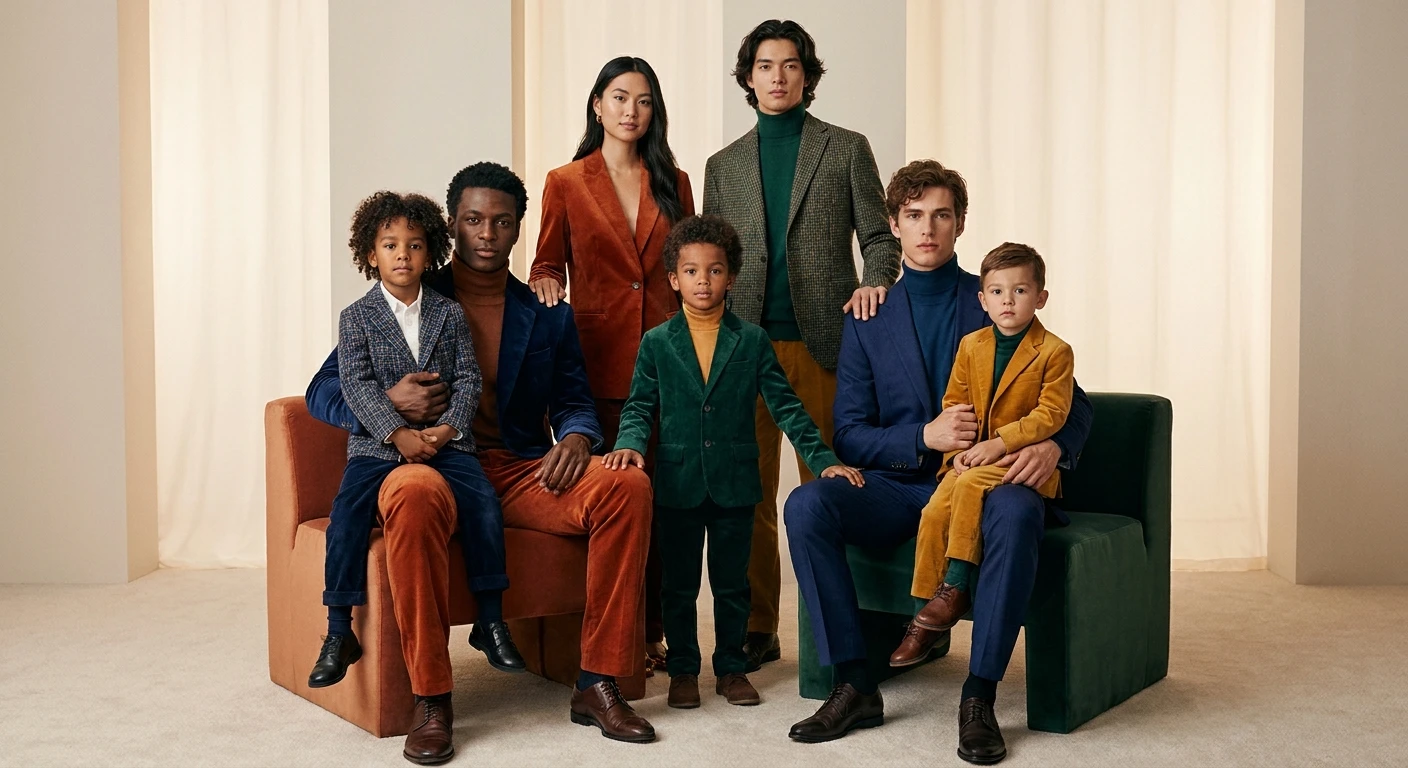
The Fascination with Kimora Lee Simmons Children
Let’s be real, tracking the lives and careers of Kimora Lee Simmons children feels like catching up with true fashion royalty. If you grew up in the early 2000s, you likely remember watching the undeniable mogul energy of Kimora on her hit reality show, and naturally, you saw her young daughters right by her side. Today, the conversation surrounding Kimora Lee Simmons children has evolved from simple pop culture curiosity into a broader discussion about legacy, fashion, education, and how to successfully navigate a heavily publicized upbringing. As a model, entrepreneur, and unapologetic powerhouse behind the legendary Baby Phat brand, Kimora has always been a fiercely protective matriarch. She has managed to raise five distinct individuals—Ming Lee, Aoki Lee, Kenzo Lee, Wolfe Lee, and Gary Lee—each representing different eras of her life and career. This article breaks down exactly how this famous blended family operates behind the scenes, highlighting their unique educational pursuits, fashion industry takeovers, and the rock-solid sibling dynamics that keep them grounded. Far from the typical Hollywood stereotypes, these children are carving out their own substantial paths in the world, proving that a strong foundation at home translates to monumental success in the public eye. We are going to explore the unique paths of each child, the undeniable business acumen passed down from their mother, and the realities of growing up as part of a high-profile dynasty.
Growing Up in the Spotlight: The Simmons-Lee Dynamic
The dynamic within this family is anything but ordinary. It is a masterful blend of high fashion, strict academic expectations, and cross-cultural heritage. When we look at the trajectory of the older siblings compared to the younger ones, there is a clear strategy at play regarding public exposure and personal development. The value of this family’s platform is immense, providing a masterclass in leveraging generational wealth while demanding individual accountability. For example, instead of resting on their laurels, the older daughters have taken active roles in relaunching their mother’s iconic brand while simultaneously pursuing rigorous higher education. To truly understand the structure of the family, we have to look at the different parentage and current focuses of each child. Here is a breakdown of the household structure:
Read also: Jude Grammer Facts You Need to Know Now; The World of chicago west.
| Sibling Name | Parentage | Current Primary Focus |
|---|---|---|
| Ming Lee Simmons | Russell Simmons | Modeling, Brand Management & Fashion Design |
| Aoki Lee Simmons | Russell Simmons | High-Fashion Modeling & Academic Advocacy |
| Kenzo Lee Hounsou | Djimon Hounsou | Athletics & Private Education |
| Wolfe Lee Leissner | Tim Leissner | Early Education & Private Family Life |
| Gary Lee | Adopted by Kimora | Private Family Integration & Youth Development |
Living out this dynamic requires navigating intense public scrutiny. The family manages this through several core strategies. Here are three distinct ways they handle their unique position:
- Education as a Non-Negotiable Core Value: Unlike many high-profile families that prioritize industry connections over schooling, the Simmons-Lee household demands academic excellence. The push for Ivy League education and constant learning remains a massive pillar of their identity.
- Intentional Brand Continuation: The children are not just passive heirs; they are active participants in legacy building. By stepping into leadership and creative roles at Baby Phat, they ensure the brand transitions seamlessly to a new generation of consumers.
- Fierce Blended Family Unity: Despite having different fathers and navigating complex public controversies surrounding them, the siblings maintain an unbreakable bond, frequently appearing together and defending one another against media speculation.
The Origins of the Family Dynasty
To trace the origins of this family’s massive cultural footprint, we have to travel back to the golden era of urban streetwear and reality television. Kimora Lee Simmons was already a highly successful runway model when she took the reins of Baby Phat in the late 1990s. By the time her first two daughters, Ming and Aoki, were born, they were instantly integrated into the fashion world. They famously walked the runways at the end of Baby Phat fashion shows, becoming the unofficial faces of the brand before they could even read. The premiere of the reality show ‘Kimora: Life in the Fab Lane’ in 2007 cemented their status. The show provided viewers with a rare, unfiltered look into the luxurious yet highly disciplined household. It was here that audiences first saw Kimora’s parenting style: a unique mix of extreme glamour and strict, no-nonsense maternal authority.
The Evolution of Their Public Profiles
As the early 2000s transitioned into the social media age, the evolution of the children’s public profiles shifted dramatically. Ming and Aoki moved from being cute additions on a reality show to autonomous influencers and models in their own right. They began cultivating their own follower bases on platforms like Instagram and TikTok. Meanwhile, the family expanded. Kimora welcomed Kenzo with actor Djimon Hounsou, Wolfe with financier Tim Leissner, and later adopted Gary. The evolution of the family meant that while the older girls were navigating the complexities of teenage fame, the younger boys were kept decidedly more private. This strategic shift in parenting reflects an adaptation to the changing media landscape, where Kimora clearly decided to shield her younger children from the 24/7 digital scrutiny that her older daughters had to navigate.
The Modern State of the Lee-Simmons Clan
Today, the modern state of the family is a testament to resilience and strategic branding. Ming has graduated from NYU and is deeply involved in fashion, regularly appearing in high-profile campaigns. Aoki made global headlines by graduating from Harvard University at just 20 years old while simultaneously walking international runways for brands like Pyer Moss and Tommy Hilfiger. The younger boys, Kenzo, Wolfe, and Gary, are growing up out of the spotlight, focusing on their respective educations and athletic pursuits. The family frequently gathers for holidays and major milestones, projecting a unified front. They have successfully transitioned from reality TV stars into a modern, multifaceted business family, proving that their origins were just the launching pad for long-term influence.
The Sociology of Nepo Babies in Fashion
In recent years, the discourse around celebrity offspring has become heavily analytical, often grouped under the cultural study of the ‘Nepo Baby’ phenomenon. From a sociological standpoint, the advantage of being born into industry royalty is undeniable—it grants immediate access to networks, capital, and visibility that outsiders spend decades trying to acquire. However, the Simmons children present a fascinating technical case study in how to navigate and subvert this label. Rather than denying their privilege, they lean into it by taking on the tangible work required to sustain a legacy brand. The sociology of their public reception shows that audiences are far more forgiving of inherited privilege when it is coupled with demonstrable academic achievement and a transparent work ethic.
Brand Architecture of Celebrity Offspring
When analyzing the brand architecture of this specific family, we see a highly structured approach to digital equity. Kimora serves as the foundational master brand, while each child operates as a sub-brand targeting different demographic segments. Ming captures the Gen Z fashion-forward influencer market, Aoki appeals to the intellectual, high-fashion, and academic-focused demographic, and the younger children remain protected assets for the future. Here are a few factual metrics regarding their impact:
- Aoki’s graduation from Harvard sparked a massive viral conversation regarding the intersection of high fashion and Ivy League academia, generating millions of impressions across digital media.
- The relaunch of Baby Phat saw a direct conversion rate spike when spearheaded by Ming and Aoki, tapping into millennial nostalgia while attracting a younger Gen Z audience.
- Despite immense public pressure, the family has maintained strict privacy boundaries for Kenzo, Wolfe, and Gary, proving a deliberate media blackout strategy can be effectively executed even in 2026.
Step 1: Prioritize Education Above All Else
If there is one major takeaway from observing this family, it is that education is the ultimate safety net. Kimora has constantly reiterated that fashion is fleeting, but intelligence is permanent. By demanding that her children pursue higher education—resulting in degrees from NYU and Harvard—she ensured they have a foundation outside of their physical appearance and industry connections.
Step 2: Integrate Family into the Business Early
The kids were never hidden from the realities of the business world; they were immersed in it. Walking runways as toddlers and sitting in on design meetings taught them the mechanics of the fashion industry from the inside out. This hands-on integration ensures that when they eventually take over, they understand the operational logistics, not just the glamorous front-end.
Step 3: Foster Strong Sibling Bonds
With different fathers and complex family dynamics, it would be easy for the siblings to drift apart. However, a key step in this family’s success is the intentional fostering of sibling unity. They travel together, celebrate every milestone together, and publicly defend each other, creating an impenetrable family unit that withstands media gossip.
Step 4: Maintain Cultural Pride and Heritage
Kimora has always proudly highlighted her Black and Japanese heritage, and this multicultural pride is deeply instilled in her children. Embracing their diverse backgrounds has allowed the children to connect with a wider global audience and advocate for better representation within the notoriously exclusionary high-fashion industry.
Step 5: Shield the Younger Kids from Early Media
Learning from the intense reality TV exposure of the 2000s, the current strategy involves a strict media shield for the younger boys. By keeping Kenzo, Wolfe, and Gary off reality television and strictly managing their social media footprint, the family ensures they have a normal, grounded childhood free from the pressures of public opinion.
Step 6: Encourage Individual Passions and Hobbies
While fashion is the family business, the children are encouraged to carve out their own lanes. Whether it is Aoki’s passion for classical literature and poetry or Kenzo’s dedication to athletics, allowing them to pursue unique individual hobbies prevents resentment and builds well-rounded personalities.
Step 7: Address Controversies Directly but Privately
Over the years, the various fathers of the children have faced significant public controversies. The family’s playbook for handling this is brilliant: support each other privately, but rarely engage in the mudslinging in the press. This dignified approach protects the children’s mental health while starving the tabloids of reactionary content.
Myths & Realities
There are countless rumors surrounding high-profile families. Let’s debunk some of the most common misconceptions. Myth: The children were simply handed their careers without having to do any real work. Reality: While they absolutely had a massive head start, Aoki underwent the grueling admissions process to get into Harvard based on her own academic merit, and both older girls have had to put in grueling hours on set and in design meetings. Myth: The siblings are divided because they have different fathers. Reality: The exact opposite is true. They are an incredibly tight-knit blended family that frequently vacations together and shows up for every graduation and birthday. Myth: Every aspect of their lives is still documented for reality television. Reality: The family stepped away from the reality TV format years ago, heavily restricting access to their private lives, especially concerning the younger three boys.
Frequently Asked Questions
How many children does Kimora Lee Simmons have?
She has five children in total: two daughters and three sons, creating a large, dynamic blended family.
Who are the fathers of her children?
Russell Simmons is the father of Ming and Aoki. Djimon Hounsou is the father of Kenzo. Tim Leissner is the father of Wolfe. She also adopted her son Gary.
Did Aoki Lee Simmons really go to Harvard?
Yes, Aoki was accepted into Harvard University at a remarkably young age and officially graduated, balancing her heavy Ivy League course load with a bustling international modeling career.
Are Ming and Aoki running Baby Phat?
They are heavily involved in the creative direction, marketing, and relaunch of the brand, bringing a fresh, modern aesthetic to the legendary Y2K label.
Who is Gary Lee?
Gary is Kimora’s adopted son. He was welcomed into the family quietly, with Kimora officially announcing his addition to their loving household several years ago.
Are they currently on any reality TV shows?
No, they have pivoted away from the traditional reality TV format that defined their early years, opting instead to control their own narratives via social media and selective editorial features.
Why are the younger boys rarely seen?
Kimora made a deliberate parenting choice to protect her younger sons from the intense media scrutiny that her older daughters faced, allowing them to enjoy private, normal childhoods.
The fascinating journey of Kimora Lee Simmons children proves that with the right mix of strict parenting, educational focus, and unbreakable family loyalty, growing up in the spotlight doesn’t have to end in disaster. They have transformed their inherited fame into legitimate, self-sustaining careers. If you loved diving into the brilliant dynamics of this iconic fashion family, be sure to share this article with your fellow pop culture enthusiasts and keep an eye out for what this unstoppable dynasty conquers next!

Leave a Reply