

Inside the Drake Private Jet: A Flying Palace
Have you ever wondered what it actually costs to fly like a billionaire? When we talk about the drake private jet, we are absolutely not talking about some cramped little Learjet to hop between adjacent cities. We are talking about “Air Drake,” a monstrous Boeing 767-200ER that dwarfs almost everything else parked on the private tarmac. Look, most celebrities are happy with a Gulfstream, but when you are at the absolute peak of the music industry, you need something that matches the scale of your global footprint. It is a flex of epic proportions.
To give you some real perspective, I was chatting with a buddy of mine in Kyiv who runs an independent aviation tracking blog. A couple of years ago, right before a massive rolling blackout hit the city, he quickly sent me a radar screenshot. It showed the massive baby-blue flight path of Air Drake casually crossing the Atlantic Ocean. Sitting there in a dark apartment in Ukraine, watching this digital dot representing hundreds of millions of dollars cruising at 40,000 feet, was totally surreal. It really put things into perspective regarding wealth and mobility. The sheer audacity of retrofitting a commercial airliner for personal use is wild, and today we are going to break down exactly how this floating mansion operates, what powers it, and why it changes the entire definition of private aviation.
What Makes Air Drake So Special?
You cannot just buy a Boeing 767, throw some leather seats inside, and call it a day. The level of customization required to turn a commercial workhorse into a VIP sanctuary is staggering. The core value of this aircraft lies in its sheer volume. Standard private planes are essentially narrow tubes. You sit down, you stay seated, and maybe you have a tiny divan to stretch your legs. Air Drake offers a completely different reality. You have zones for entertainment, private meetings, dining, and sleeping, all completely separated by soundproof bulkheads. It is literally an apartment in the sky.
| Specification | Air Drake (Boeing 767) | Standard VIP (Gulfstream G650) |
|---|---|---|
| Passenger Capacity | 30+ VIPs with full mobility | 10-15 (mostly seated) |
| Interior Space | Massive wide-body cabin | Narrow-body tube |
| Acquisition Cost | Gifted via Cargojet Partnership | $65 Million+ retail |
The value proposition here is heavily stacked in favor of the OVO brand. First, they gain the ability to transport the entire production crew, management team, and security detail without worrying about cargo limits. Second, the aircraft acts as a flying billboard. When a massive baby-blue jet lands in London or Tokyo, the press does the marketing for you.
Here are the key elements that set it apart:
- Unmatched Cabin Volume: The wide-body design allows for actual hallways and completely distinct rooms.
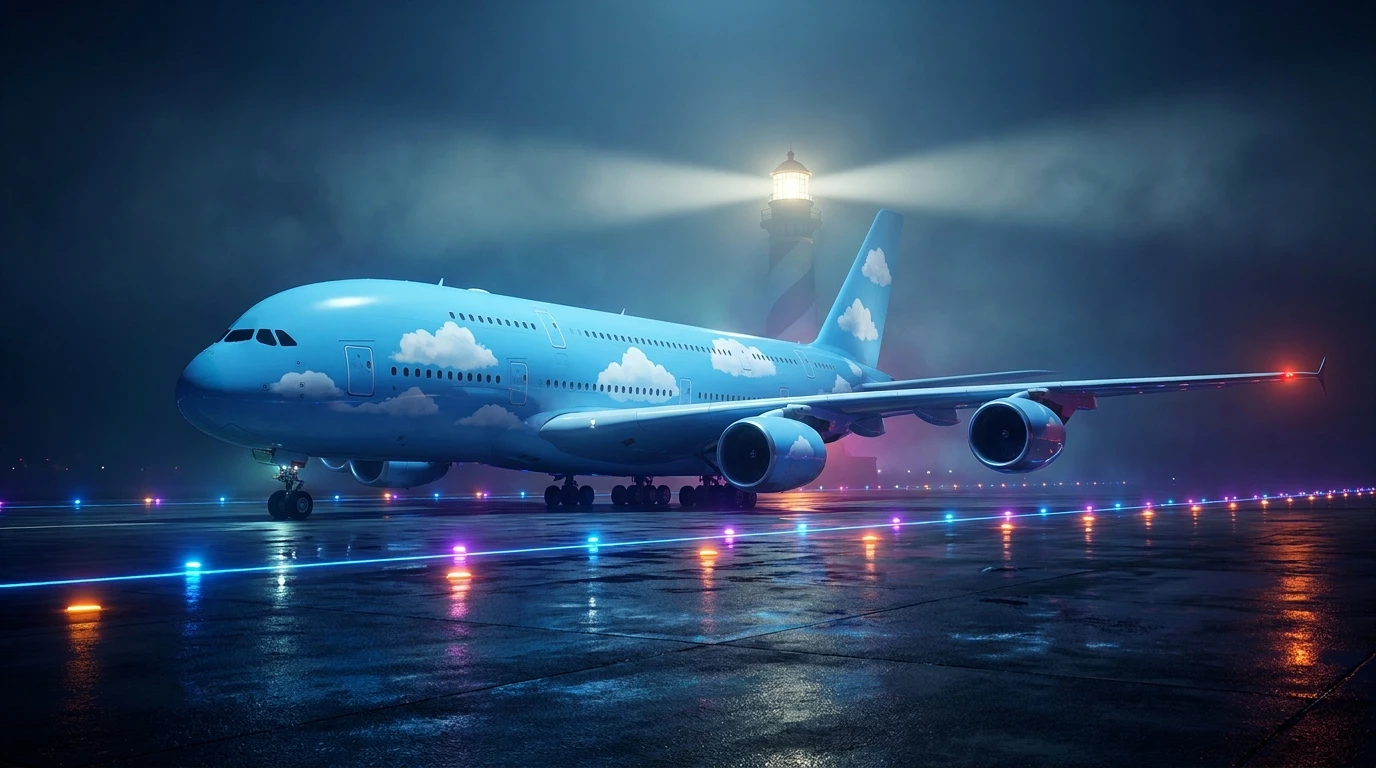
- Custom Exterior Livery: The iconic sky-blue cloud design instantly identifies the owner from miles away.
- Zero Traditional Rental Fees: Thanks to an aggressive brand partnership, the upfront cost was essentially negated.
- Global Range Capability: It can fly heavily loaded across continents without needing annoying refueling stops.
The Evolution of OVO Aviation
The Early Charter Days
Before the massive Boeing became a reality, the travel logistics for the OVO crew were surprisingly chaotic. Renting standard private planes by the hour gets incredibly expensive when you are touring globally. You are dealing with strict scheduling windows, limited baggage allowances, and the constant hassle of switching operators depending on the continent. Back in the early 2010s, you would often see the crew piling into Challenger 300s or Hawker 800s. It worked for short domestic runs, but moving an entire entourage across the Atlantic required chartering commercial flights or booking multiple smaller jets. It was a logistical nightmare that drained resources and time.
The Cargojet Partnership
The turning point happened through a masterclass in business negotiation. Cargojet, a massive Canadian freight airline, recognized the cultural influence of their hometown hero. Instead of making him pay the staggering $200 million price tag for a new custom plane, they struck a mutually beneficial deal. They essentially provided the retrofitted Boeing 767 for free, in exchange for lifelong publicity. Every single time Air Drake is photographed on a runway, Cargojet gets global brand recognition. It completely disrupted how celebrity endorsements function in the heavy machinery sector. Suddenly, owning a massive plane wasn’t just a luxury expense; it was a revenue-generating marketing asset.
The Virgil Abloh Sky Design Redo
While the original paint job was heavily branded with OVO owls and bold text, the aesthetic was eventually handed over to the late, legendary designer Virgil Abloh. He completely stripped back the corporate look and introduced something far more artistic. Abloh designed a custom livery that mimics a bright blue sky filled with fluffy white clouds, heavily inspired by the cover art of the album “Nothing Was the Same.” This wasn’t just a quick paint job. Wrapping or painting a plane of this magnitude requires specialized aerospace coatings that can withstand extreme temperature fluctuations and ultraviolet radiation at cruising altitude. The redesign solidified the aircraft as a genuine piece of pop-culture art.
The Engineering Behind the Boeing 767-200ER
Thrust and Range Capabilities
Let’s talk about the raw mechanics. The Boeing 767-200ER (Extended Range) was originally designed to haul over 200 commercial passengers across oceans. When you rip out all those seats and replace them with lightweight luxury furniture, the weight dynamics change drastically. This aircraft is powered by two massive turbofan engines, typically General Electric CF6s or Pratt & Whitney JT9Ds, depending on the specific retrofitting cycle. These engines produce over 50,000 pounds of thrust each. Because the plane is flying far below its maximum structural payload, the thrust-to-weight ratio improves. This allows the jet to climb faster, reach cruising altitudes quicker, and significantly extend its operational range well beyond standard commercial limits.
Cabin Pressurization and Aerodynamics
Flying a wide-body jet as a private transport introduces unique engineering challenges, especially regarding cabin altitude. Commercial jets typically pressurize the cabin to feel like 8,000 feet above sea level. However, VIP retrofits often upgrade the environmental control systems to push that cabin altitude lower, reducing fatigue on long flights. The aerodynamics of the 767 are highly optimized for sub-sonic cruising. Now that we are pushing through 2026, aviation fuel laws are getting stricter globally, but this particular airframe utilizes advanced bypass ratios in its engines to maintain efficiency even when flying heavy.
Here are the raw technical facts behind this machine:
- Cruising Speed: Approximately Mach 0.80 (530 mph or 850 km/h).
- Maximum Range: Over 6,500 nautical miles, allowing non-stop flights from Toronto to Dubai.
- Wingspan: A massive 156 feet, requiring specialized wide-body gates at private terminals.
- Fuel Capacity: Capable of holding over 24,000 gallons of Jet-A fuel.
- Avionics: Fully upgraded glass cockpit matching modern ETOPS safety standards.
7-Step Blueprint to VIP Aviation (Air Drake Style)
You want to understand how a project of this magnitude is executed? It is not just handing over a credit card. It requires a highly coordinated, multi-year plan. Here is the exact blueprint used to create a flying monument.
Step 1: Define Your Crew Capacity
The very first step is aggressively auditing your travel needs. You need to know exactly how many people are essential for your daily operations. For a massive touring artist, you are counting security, audio engineers, personal chefs, management, and family. If the number regularly exceeds 15 people, standard VIP jets are immediately eliminated from the equation.
Step 2: Select the Airframe
Once you know you need a wide-body, you have to scout the secondary market. Buying a brand new 767 is unnecessarily expensive. The smart move is finding a meticulously maintained 767-200ER retiring from a premium commercial airline. The bones are solid, the maintenance records are perfect, and it is ready for a complete teardown.
Step 3: Hire Custom Interior Designers
This is where the magic happens. You strip the commercial cabin down to the bare metal ribs. You map out structural hard points to safely bolt in heavy items like marble tables, king-sized beds, and massive flat-screen monitors. Every single piece of fabric and leather must pass strict FAA fire-retardant testing before it enters the cabin.
Step 4: Secure Corporate Partnerships
Do not spend your own money if you can avoid it. You leverage your brand equity. Find a major aviation or logistics company that wants cultural relevance. You offer them massive global visibility and naming rights in exchange for covering the acquisition and retrofitting costs. It is a pure barter system at the highest level of capitalism.
Step 5: Plan the Exterior Livery
You cannot just fly a plain white tube. You bring in a generational artistic talent to design the exterior. The paint job needs to be instantly recognizable. You use aerospace-grade polyurethane paints that resist fading at 40,000 feet. The goal is to make the plane go viral every single time it touches down.
Step 6: Crew and Logistics Sourcing
A plane this size requires a dedicated, full-time crew. You are hiring veteran pilots with heavy-jet type ratings, specialized flight attendants trained in high-end culinary service, and a dedicated maintenance chief who travels with the plane to handle mechanical issues at foreign airports.
Step 7: Flight Path Management
Finally, you need a dedicated logistics firm just to handle the paperwork. Getting clearance to land a Boeing 767 at smaller private airports is incredibly difficult. You need handlers to arrange specialized wide-body parking, fuel trucks, and massive custom stairs, ensuring the arrival is completely frictionless.
Busting Private Aviation Myths
People see a giant jet on Instagram and immediately make wild assumptions about how it works. Let’s clear the air and separate the fiction from the actual operational reality of heavy VIP aircraft.
Myth: The owner bought the jet for $200 million in straight cash.
Reality: It was part of a highly structured marketing partnership with Cargojet. The upfront capital came from the brand, not personal checking accounts. It is a mutual marketing asset.
Myth: The interior is completely lined with solid gold fixtures.
Reality: Aviation weight limits are extremely strict. While there are gold-plated accents, using solid heavy metals would ruin the fuel efficiency and center of gravity. Most materials are high-end lightweight composites wrapped in luxury finishes.
Myth: The jet is used for every single daily errand.
Reality: Firing up a Boeing 767 costs tens of thousands of dollars per hour. For short hops between adjacent cities, it is wildly inefficient. The massive jet is reserved for long-haul international travel and major global tours.
Myth: The aircraft operates exactly like a regular commercial flight.
Reality: Private aviation operates under Part 91 regulations, giving the crew far more flexibility with routing, scheduling, and catering compared to rigid commercial operations.
Air Drake FAQ
Who technically owns the drake private jet?
While heavily branded for the artist, the legal registration and operational logistics are heavily tied to Cargojet, ensuring maintenance and compliance are handled by industry professionals.
How much does it cost to fill the gas tank?
Depending on the current global price of Jet-A fuel, completely filling the massive tanks of a 767 can easily cost anywhere from $70,000 to $100,000 for a long-haul international flight.
Who designed the custom blue exterior?
The iconic baby-blue sky and cloud motif was conceptualized by the late Virgil Abloh, transitioning the aircraft from a corporate billboard into a massive piece of flying contemporary art.
Can regular people charter this specific plane?
No. Unlike some celebrity jets that are leased out to charter companies when not in use, this specific 767 is kept exclusively for OVO-related business and personal travel.
What is the official tail number?
The aircraft operates under the highly visible tail registration N767CJ, which aviation enthusiasts track religiously across global radar platforms.
Is there an actual master bedroom on board?
Yes. The aft section of the aircraft was completely rebuilt to feature a private master suite, complete with a massive bed and a full bathroom featuring custom mirrors and premium hardware.
How fast does the 767 actually fly?
It cruises comfortably around 530 miles per hour. While smaller private jets like a Citation X can technically fly slightly faster, the 767 makes up for it by eliminating the need for refueling stops on ultra-long routes.
There you have it. The absolute pinnacle of sky-high luxury. Operating a wide-body jet for personal use is a logistical mountain that requires millions of dollars in upkeep, massive corporate partnerships, and a dedicated team of aviation experts. If you loved this breakdown of the ultimate VIP travel experience, make sure to share this guide and keep your eyes on the radar for the next time that blue giant crosses your local airspace!

Leave a Reply