

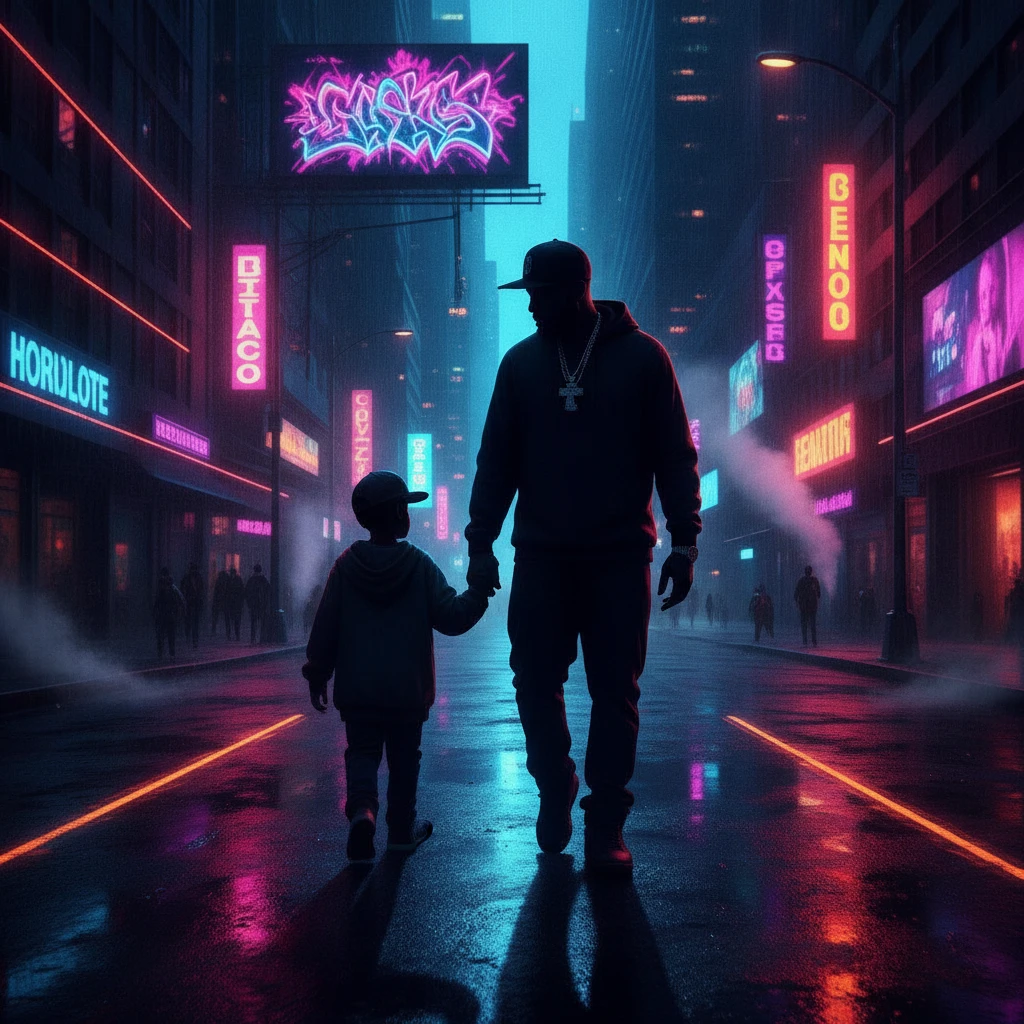
The Real Life of drakes son: Growing Up Hip-Hop Royalty
Let me tell you, when people randomly start looking up drakes son on the internet, they usually focus purely on the legendary rap beefs and the surprise drops, but there is an entirely different, intensely human universe behind those loud headlines. Listen, Adonis Graham isn’t just a typical celebrity child; he has basically become a massive cultural fascination representing the wild intersection of extreme global fame, unbelievable wealth, and the unpredictable nature of modern parenting. I remember sitting in a bustling coffee shop in Kyiv just last week in 2026, hearing a classic Drake track blasting from the barista’s vintage speakers, and getting into a completely random chat with a stranger about how wild it must actually be to grow up with the 6 God as your everyday dad. It got me thinking deeply about what the kid’s actual day-to-day existence looks like away from the flashing cameras and screaming stadium crowds. Growing up as drakes son means navigating a reality that 99.9% of the planet will absolutely never comprehend. You don’t just get a normal childhood; you get a highly curated, heavily guarded experience where every single milestone is potentially a trending topic on social media. Fame at that level completely rewrites the rules of growing up. We constantly see snippets of his life, from sitting courtside at basketball games to dropping surprisingly good artwork online, but the reality behind closed doors involves intense scheduling, massive security protocols, and a constant effort to maintain some semblance of a normal life.
To truly grasp the impact of growing up with that kind of last name, we need to look closely at the core dynamics of celebrity parenting. The benefits are obvious: limitless financial resources, access to the absolute best education the world has to offer, and a completely open door to whatever industry he wants to pursue later in life. However, the potential harms are just as massive. The complete lack of true privacy can be suffocating. Imagine having millions of strangers forming intense opinions about your haircut, your clothes, or your behavior before you even hit your tenth birthday. The pressure to live up to a monumental legacy is heavy. To break it down simply, here is a clear look at how public perception constantly clashes with their private reality.
| Aspect of Life | Public Perception | Private Reality |
|---|---|---|
| Daily Privacy | Completely non-existent and highly exposed | Strictly managed by elite security teams and NDAs |
| Financial Wealth | Spoiled with limitless luxury items | Structured through heavily managed generational trusts |
| Education | Skipping school to hang out with celebrities | Rigorous bilingual private tutoring and elite schooling |
Understanding this massive disconnect matters heavily for our own media literacy. Let’s look at a couple of prime examples. First, consider the times he is photographed at NBA games. The public sees a kid having the time of his life with VIP access, but the reality is that those moments are carefully negotiated public appearances designed to safely introduce him to crowds. Second, when his art projects go viral online, people assume it’s just a flex by his famous father. In reality, it’s a strategic way to let the boy build his own identity and confidence outside of purely being known as a rap star’s offspring. Here are the primary ways that inheriting this level of fame drastically impacts a child’s early development:
- Accelerated Media Awareness: They learn extremely early on how to behave when a camera lens is pointed at them, developing an almost instinctual understanding of public relations.
- Restricted Social Circles: Friendships have to be intensely vetted by parents and security to ensure families aren’t just trying to get close to the celebrity father.
- Bifurcated Identity: They have to learn how to actively separate who they are at home in their pajamas from the public persona that millions of fans obsess over daily.
Origins: The Secret Kept from the World
The backstory of how the world found out about him is literally written into hip-hop history. Initially, the existence of a child was kept completely under wraps. His mother, Sophie Brussaux, a French artist and former model, maintained a very low profile during her pregnancy. The general public had absolutely zero clue that the biggest artist on the planet was preparing for fatherhood. This period of secrecy wasn’t necessarily about hiding the child out of shame, despite what internet trolls love to claim, but rather a desperate attempt to protect a newborn from the ravenous, unforgiving appetite of the global tabloid machine. The origins of his public life started in absolute silence, a stark contrast to the incredibly loud manner in which the news would eventually break.
Evolution: Stepping Into the Public Eye
The evolution from a closely guarded secret to a public figure happened aggressively. We all remember the infamous rap battle that essentially forced the narrative out into the open. Once the news broke, a massive shift occurred in how his father operated publicly. Instead of denying or hiding, the narrative evolved into total acceptance and eventual celebration. We started seeing beautifully curated Instagram posts, heartfelt lyrics dedicated to fatherhood, and a complete rebranding of the rapper from a perpetual bachelor to a proud, dedicated dad. This evolution was fascinating to watch because it completely humanized a superstar who had previously seemed untouchable and robotic in his consistent success.
Modern State: A Star in His Own Right
Right now, in 2026, the modern state of his public existence is actually quite balanced. He isn’t just known as an accessory to his father’s fame anymore; he has distinct personality traits that the public recognizes. He speaks fluent French with his mother, he shows a genuine passion for basketball, and he displays an artistic streak that gets shared proudly on social media. He walks red carpets with a cool, calm demeanor that most adults couldn’t pull off. The modern state of his life represents a masterclass in how to slowly and safely integrate a child into a terrifyingly huge spotlight without letting the spotlight burn them.
The Psychology of Inherited Stardom
If we look at this from a purely clinical, psychological perspective, the concept of inherited stardom is absolutely fascinating. Psychologists often talk about something called “parasocial kinship.” This happens when millions of fans feel a deeply personal, almost familial bond with a child they have never actually met, simply because they love the child’s parent. The fans project their affection for the music onto the boy. This creates a bizarre dynamic where the child grows up receiving massive waves of positive reinforcement and love from faceless strangers. While that sounds nice, it can totally skew a developing brain’s understanding of authentic human connection versus transactional fan adoration.
Digital Footprint Mechanics
Then we have the technical mechanics of the algorithmic internet. Every single time a picture of this boy is posted, artificial intelligence algorithms on platforms like Instagram and TikTok immediately categorize his face, map the engagement metrics, and push the content to millions of feeds. His digital footprint is essentially immortal and hyper-optimized for virality before he even knows how to type. The technical reality of being a famous child means your biometric data and visual likeness are highly valued commodities in the digital attention economy. Let’s look at some core scientific facts regarding childhood development under these specific high-pressure conditions:
- Dopamine Regulation Disturbance: The massive influx of digital praise can wire a child’s brain to expect abnormally high levels of constant validation, making normal, quiet moments feel uncomfortable.
- The Truman Show Delusion: High-profile offspring occasionally develop mild forms of this psychological phenomenon, where they acutely feel that their entire existence is being constantly broadcasted and monitored by an unseen audience.
- Identity Foreclosure: There is a high risk of the child prematurely committing to an identity (e.g., “the cool rap kid”) simply because the massive external environment expects it, rather than naturally exploring who they actually want to be.
Step 1: The Pre-Announcement Whispers
The very first step in the timeline of his public life involved intense, quiet rumors. Gossip blogs began picking up incredibly subtle hints. A private jet trip here, a rumored financial settlement there. During this phase, the public was completely starved for actual facts, which led to wildly imaginative theories. The power of these whispers showed just how desperately the culture wanted to know every single detail about their favorite artist’s private world.
Step 2: The Pusha T Catalyst
Step two is arguably the most explosive moment in modern hip-hop journalism. The release of the diss track “The Story of Adidon” acted as the ultimate catalyst. It didn’t just casually mention a child; it weaponized the information. This step forced a massive PR pivot. It completely removed the family’s agency in deciding when and how to introduce the boy to the world, proving that in the age of the internet, secrets at that level of fame are essentially ticking time bombs.
Step 3: Scorpion Album Confirmation
The third step was taking the narrative back. Through the lyrics on the massive double album *Scorpion*, the existence of the child was officially confirmed by the father. Lines like “I wasn’t hiding my kid from the world, I was hiding the world from my kid” completely shifted the public perspective. It turned a massive scandal into a highly sympathetic story of a fiercely protective father trying to navigate an impossible situation.
Step 4: The First Instagram Post
Step four occurred when we finally saw his face. The first official Instagram post featuring the blonde-haired, blue-eyed boy broke the internet. This step was crucial because it transitioned him from being a mysterious lyrical concept into a real, tangible human being. It was a beautifully photographed moment that immediately softened the hearts of even the harshest critics, completely neutralizing the remaining negative press.
Step 5: Courtside Debut with Dad
Sitting courtside at a Toronto Raptors NBA game was step five. This was his true introduction to the chaotic energy of live, unfiltered public attention. Seeing him aggressively eating snacks, wearing oversized headphones to protect his ears from the noise, and pointing at the players made him highly relatable. It was a perfectly executed public relations move that showed him just being a regular kid who happens to have the best seats in the house.
Step 6: Billboard Music Awards Appearance
Step six took the exposure to a global television audience. Walking out onto the stage at the Billboard Music Awards while his dad accepted the Artist of the Decade award was a massive flex. The boy adorably cried and clung to his father’s leg, reminding millions of viewers that despite the immense wealth and the custom-tailored suits, he is fundamentally just a young boy who gets overwhelmed by loud noises and bright lights just like anyone else.
Step 7: Establishing His Own Persona
The final step is actively ongoing. He is now establishing his own distinct persona. Through videos of him explaining his abstract paintings, speaking fluently in French, or practicing his basketball shot, he is building an identity separate from the shadow of his father. This step is the most critical for his long-term mental health, allowing him to be recognized for his own hobbies and passions.
Myth: Drake hid him initially because he was somehow ashamed of the situation.
Reality: The total secrecy was a calculated, albeit failed, effort to completely shield a vulnerable infant from the toxic, aggressive nature of the paparazzi and the brutal internet rumor mill.
Myth: He lives entirely in Canada, locked away in a massive Toronto mansion.
Reality: He actually splits his time heavily between North America and Europe, living a highly international lifestyle that allows him to embrace his mother’s rich French heritage alongside his Canadian roots.
Myth: He is already being forced into a music career and pushed to become a rapper.
Reality: He is actively encouraged to just be a kid. His parents heavily support his natural interests in painting, drawing, and sports, with zero confirmed pressure to ever step inside a recording booth.
How old is he?
He was born on October 11, 2017.
Who is his mother?
His mother is Sophie Brussaux, an extremely talented French artist.
Does he speak French?
Yes, he is fully bilingual and speaks French fluently with his mother.
Does he play basketball?
Yes, he is frequently seen practicing his shot and attending games.
Is he an artist?
He actually creates incredible abstract paintings that his parents proudly share.
Where does he primarily live?
He splits his time between Europe with his mother and North America with his dad.
Will he be a rapper?
Only time will tell, but currently, he is just focused on being a kid.
Growing up under the microscope of extreme global fame is a truly unique human experience. The journey from a hidden secret to a beloved public figure proves that even in the chaotic world of hip-hop stardom, the simple, grounding reality of fatherhood eventually takes center stage. Have you noticed how much his public presence has changed over the years? Drop a comment below and let me know your thoughts on how modern celebrities handle parenting in the digital age!

Leave a Reply