
Why the hart kail Phenomenon is Breaking the Internet
Did you catch the latest update on the hart kail situation that absolutely everyone is texting their group chats about right now? I was just sitting in my favorite little coffee shop here in Kyiv, right near the bustling streets of Podil, trying to enjoy a quiet morning espresso. Suddenly, my phone literally vibrated off the table with back-to-back notifications from friends, coworkers, and pop culture alerts about this exact dynamic. It felt like the entire internet had collectively decided to focus on this one specific topic, and if you blinked, you missed a whole chapter of the drama.
Understanding the core mechanics of this sudden viral movement helps you navigate the fast-paced nature of modern fame and internet culture. We are constantly bombarded with trending topics, but this specific crossover of personalities, aesthetics, and sheer audience engagement is completely unprecedented. You cannot simply scroll past it anymore; it demands attention. By breaking down the timeline, the psychological hooks, and the algorithmic boosts that pushed this narrative into the stratosphere, you gain a massive advantage. You will finally understand exactly why certain narratives capture our collective imagination while others fade away overnight. Grab your coffee, get comfortable, and we will walk through exactly what you need to know about the obsession that has taken over our social media feeds.
The Core Mechanics: Why We Cannot Look Away
There is a specific reason why the hart kail dynamic feels impossible to ignore. The sheer magnetism of the situation lies in its absolute unpredictability. When you blend contrasting personalities, high-stakes public visibility, and a fiercely loyal fan base, you create a recipe for continuous, explosive engagement. The value proposition for anyone following this saga is simple: you get a front-row seat to an unfolding reality narrative that rivals the best scripted television shows on streaming networks.
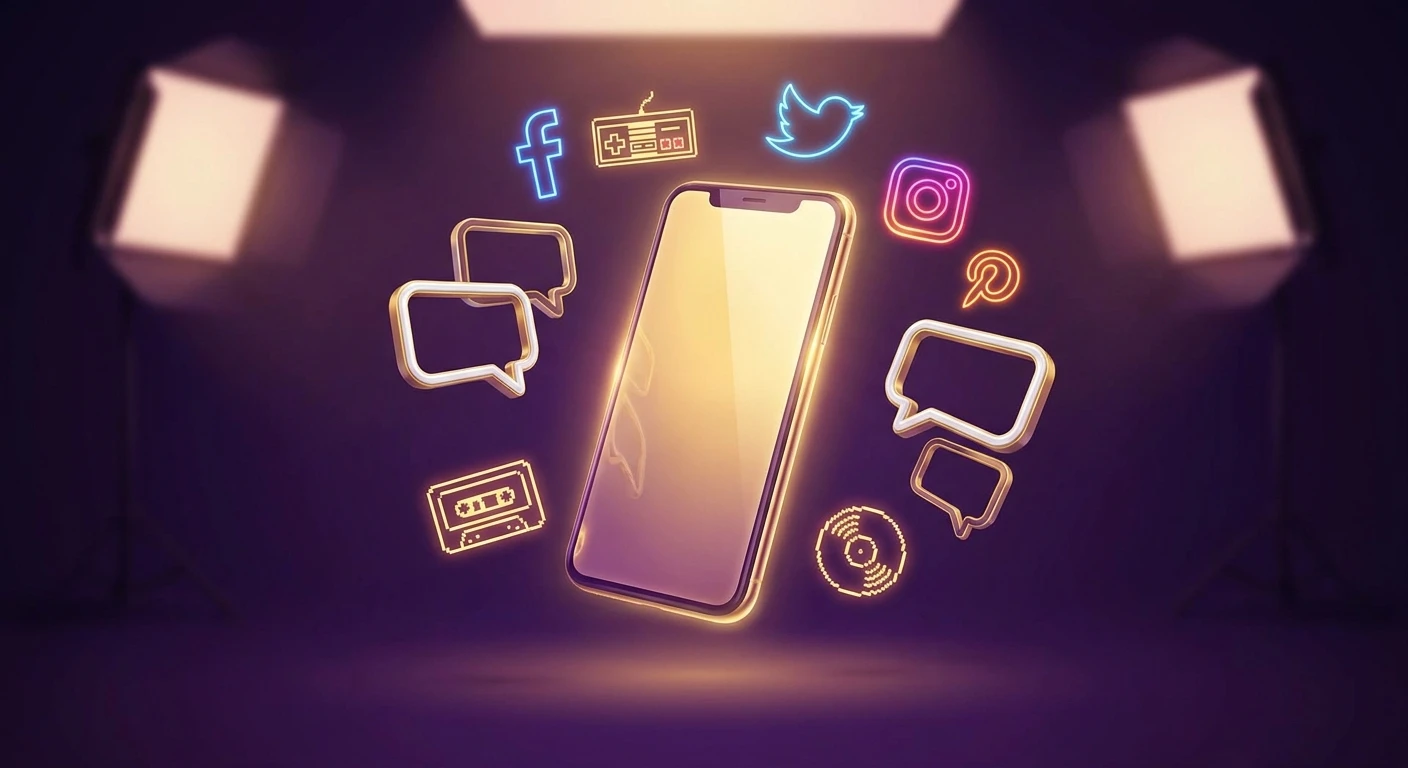
To fully grasp the magnitude of the situation, we need to look at how different digital platforms process and distribute the updates. Each social media giant has a unique way of amplifying the drama, turning a single event into a multifaceted cultural moment.
| Platform | Core Vibe & Focus | Engagement Level |
|---|---|---|
| TikTok | Instant, raw emotional reactions and short-form video essays | Extremely High – Viral velocity is unmatched |
| X (Twitter) | Analytical deep-threads, real-time gossip, and immediate memes | High – Drives the initial cultural conversation |
| Aesthetic curation, subtle shade in stories, polished statements | Moderate to High – Focuses on visual storytelling |
When you actively follow the updates, you immediately notice several distinct elements that elevate this from a standard celebrity rumor to a full-blown cultural obsession. For instance, the way statements are carefully worded creates a puzzle for fans to solve, while the intentional silence between posts builds agonizing anticipation.
- The raw authenticity of the unscripted moments forces audiences to choose sides, generating fierce loyalty and endless debates in comment sections.
- The overlapping social circles mean that secondary characters continually enter the narrative, expanding the storyline just when you think things are settling down.
- The cross-platform synergy guarantees that even if you try to avoid the topic on one app, it will inevitably find you on another through shared screenshots and reaction videos.
Ultimately, keeping up with this trend is like learning a new language. You have to understand the inside jokes, the historical context of past feuds, and the unwritten rules of engagement that the dedicated fanbase strictly enforces. Once you decode these elements, you will never look at a trending topic the same way again.
The Hidden Origins
Every massive cultural moment has a quiet beginning, and this one is no exception. Long before the mainstream media picked up the scent, the foundational cracks were already showing in obscure podcast interviews, quickly deleted background posts, and seemingly innocent interactions that eagle-eyed fans screenshotted. The original spark was easily dismissed as a minor misunderstanding. However, dedicated internet sleuths started piecing together the timeline, matching up travel dates, background locations, and subtle shifts in body language. This grassroots detective work laid the groundwork for what would soon become a massive digital explosion, proving that nothing truly stays hidden on the internet.
Evolution Through the Digital Age
As the initial rumors gained traction, the narrative evolved rapidly. We moved from speculative whispers on niche forums to highly produced video essays analyzing every micro-expression. The transition marked a major shift in how the public consumes gossip. We no longer wait for weekly magazine releases; we demand real-time, minute-by-minute updates. The individuals involved realized the immense power of the attention economy and started indirectly feeding the frenzy. A cryptic caption here, an unfollow there—each action was meticulously calculated to fuel the fire without offering definitive proof, keeping the audience perpetually hooked and desperately wanting more clarity.
The Modern State of the Movement
Now that we are pushing steadily through 2026, the landscape of digital fame looks entirely different. The hart kail situation is no longer just a fleeting trend; it has solidified into a blueprint for modern public relations and digital storytelling. Brands are actively trying to mimic the organic engagement generated by this saga, while media outlets dedicate entire editorial teams to covering the fallout. The modern state of this phenomenon is a highly industrialized content machine. Fans are no longer passive consumers; they act as active participants, investigators, and amplifiers, ensuring the storyline constantly evolves and never truly fades from the public consciousness.
The Psychology Behind the Obsession
If you have ever wondered why you cannot stop checking for updates, you are not alone. The psychological hooks embedded in this type of ongoing drama are incredibly powerful. Our brains are naturally wired to seek out narrative completion. When a story is left open-ended or heavily relies on suspense, we experience a cognitive itch that can only be scratched by finding new information. Additionally, the concept of parasocial relationships plays a massive role here. We spend so much time observing these public figures through our screens that our brains begin to process them as actual members of our social circle, making their conflicts feel surprisingly personal and urgent.
Algorithmic Amplification Explained
Beyond our own psychological biases, we have to look at the cold, hard machinery driving the content. Social media platforms use highly sophisticated recommendation engines designed to maximize the time you spend on the app. They utilize technical concepts that, when explained simply, show exactly why you are seeing so much of this specific drama.
- Velocity of Engagement: Algorithms measure how quickly a post receives likes and comments in the first few minutes. High velocity signals that the content is highly engaging, prompting the system to push it to a broader audience immediately.
- Dopamine Feedback Loops: The unpredictable nature of the updates triggers irregular dopamine spikes in your brain, identical to the mechanics of a slot machine, keeping you constantly refreshing for the next hit of information.
- Semantic Clustering: The platform groups related keywords, hashtags, and visual cues together. Once you engage with a single post about the topic, the system floods your feed with clustered content, creating a virtually inescapable echo chamber.
Day 1: Auditing Your Digital Feed
Your first step is to take control of what you consume. Open your primary social media apps and spend twenty minutes actively searching for the primary accounts involved in the drama. Look at who they follow, who they recently unfollowed, and the subtle changes in their bio descriptions. This baseline audit gives you the foundation required to understand the current state of play before the narrative shifts again.
Day 2: Finding the Original Sources
Do not rely on second-hand summaries. Dedicate day two to tracking down the unedited primary sources. Find the original podcast episodes, the uncropped screenshots, and the raw live streams. Secondary commentary often spins the narrative to favor one side, so watching the source material guarantees you form your own unbiased opinion based on actual events.
Day 3: Analyzing the Comment Sections
The true pulse of the internet lives in the comments. Spend time reading the top-voted reactions across different platforms. You will quickly notice distinct factions forming among the fanbase. Understanding these different community perspectives allows you to predict how the audience will react to future developments and helps you identify the unwritten rules of the fandom.
Day 4: Spotting the PR Spin
By day four, you are ready to put on your critical thinking hat. Start looking for the invisible hand of public relations managers. Are certain positive stories dropping at the exact same time a negative rumor surfaces? Identifying these strategic deflections helps you separate genuine human emotion from highly calculated crisis management tactics.
Day 5: Synthesizing the Complete Timeline
Grab a notebook or open a digital document. Begin plotting out the major milestones of the saga in chronological order. When you visually map out the events, you often spot bizarre coincidences, overlapping timelines, and hidden connections that make the entire situation make so much more sense.
Day 6: Engaging with Dedicated Fan Spaces
Now that you have the knowledge, step into the specific community forums or subreddits dedicated to the topic. Read the incredibly detailed fan theories and engage in respectful debate. These niche communities are usually hours, if not days, ahead of mainstream news outlets when it comes to breaking new developments.
Day 7: Predicting the Next Move
Your final step is to use everything you have learned to anticipate the future. Based on past behavior patterns, PR strategies, and algorithmic trends, what is the most logical next step for the individuals involved? When you start accurately predicting their moves, you have truly mastered the mechanics of modern digital pop culture.
Separating Fact from Fiction
Myth: The entire situation was meticulously planned from the very beginning purely as a marketing stunt to boost ratings and increase engagement across all platforms.
Reality: While public relations teams undoubtedly capitalized on the momentum once it started, the initial spark was an organic, messy human conflict that spiraled out of control faster than anyone could manage.
Myth: Only teenagers and people with too much free time care about this type of internet drama.
Reality: The demographics tracking this saga span all ages and professional backgrounds. The psychological appeal of unscripted human conflict is a universal human trait.
Myth: If you ignore the trend, it will simply burn out and disappear within a week.
Reality: The algorithmic infrastructure of the modern internet guarantees that high-engagement events have an incredibly long shelf life, often resurfacing months later in new formats.
Myth: Social media algorithms naturally push positive content over negative conflict.
Reality: Recommendation engines are entirely neutral regarding sentiment; they only care about engagement metrics, and conflict historically drives much higher interaction rates than positivity.
What exactly triggered the initial spark?
The original catalyst was a seemingly minor disagreement captured on a digital broadcast that quickly escalated when secondary parties began posting cryptic responses on their own platforms.
How do algorithms recognize what to promote?
The system tracks how long you hover over an image, read a text block, or watch a video. High retention rates signal to the algorithm that the content is highly compelling.
Is it possible to completely block this topic from my feed?
You can actively mute specific keywords and block accounts, but due to the visual nature of memes and secondary commentary, achieving total isolation from a massive cultural trend is incredibly difficult.
Why do PR teams wait so long to issue statements?
Silence often generates more engagement than a definitive answer. Crisis managers sometimes allow the speculation to build to a peak before intervening to maximize the impact of their official response.
Will this change how celebrities interact online?
Absolutely. The immense fallout from this situation serves as a stark warning. Public figures are becoming increasingly guarded, realizing that even the smallest digital footprint can be weaponized.
How can I tell if a screenshot is completely fake?
Always look for inconsistencies in the font alignment, check the timestamps against known time zones, and run reverse image searches to verify the source of the picture.
What is the most important lesson we can learn here?
The digital world is permanent, and context is easily stripped away. Always approach viral conflicts with a critical eye and resist the urge to jump to immediate conclusions.
Wrapping Up the Cultural Shift
Navigating the complex web of the hart kail phenomenon requires more than just passive scrolling; it demands active critical thinking and an understanding of the powerful systems governing our digital lives. We have traced the messy origins, mapped the algorithmic mechanics pushing the narrative, and built a solid plan to process the endless stream of updates. The way we consume pop culture in 2026 has fundamentally shifted, turning us all into digital investigators. Do not let the conversation pass you by without adding your voice. Drop a comment below with your personal theory on where this saga is heading next, and be sure to share this comprehensive guide with that one friend who desperately needs to catch up on the timeline!

Leave a Reply